Types of Electric Motors and Controls in Industrial Applications
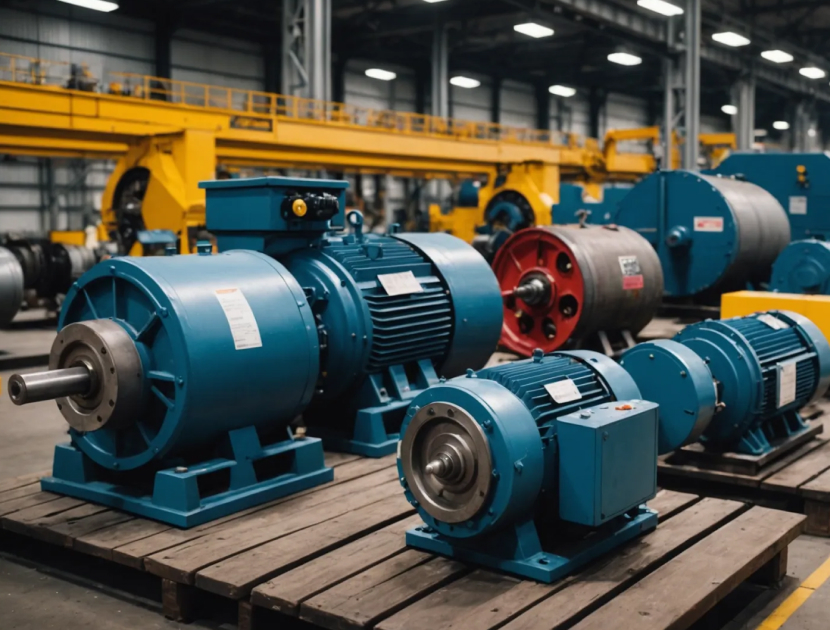
Electric Motors and Controls by Category
AC Motors
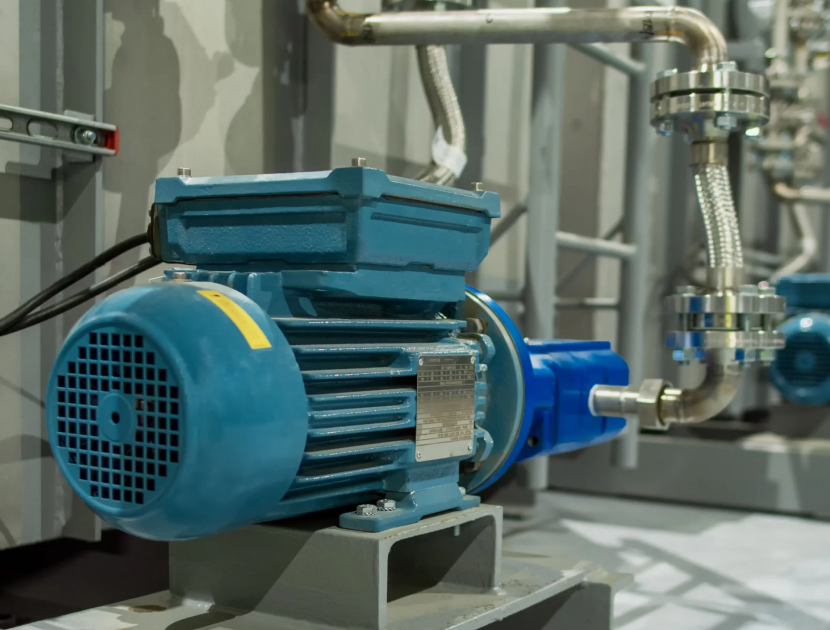
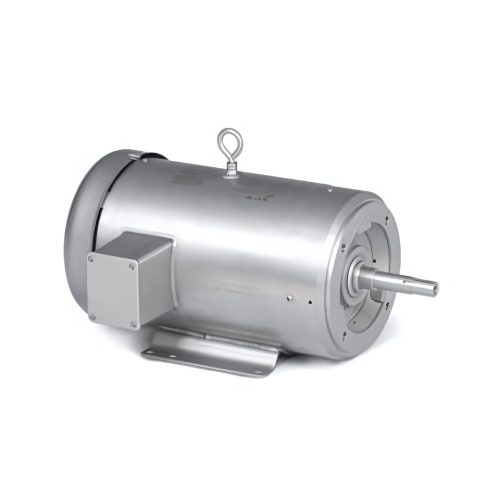
AC motors function on varying currents to convert electrical energy into mechanical energy. They are used in pumps, fans, HVAC systems, and other industrial equipment. The two types of AC motors are asynchronous and synchronous motors.
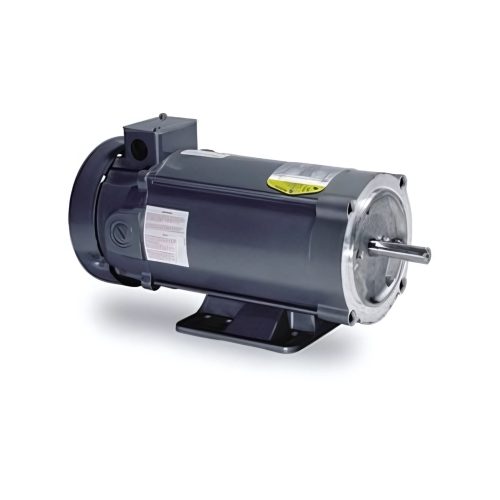
DC Motors
DC motors employ direct current to create mechanical motion. They have a stationary part called a stator and a rotating part called a rotor. The motor’s function is based on the notion that a conductor with current in a magnetic field experiences force. This type of electric motor works consistently and has a significant overload capacity.

Motor Accessories and Parts
Brushes, bearings, capacitors, cooling fans, couplings, collars, resolvers, mounts, and controllers are significant elements of electric motors. These parts increase the performance and make way for smooth operation of motors.
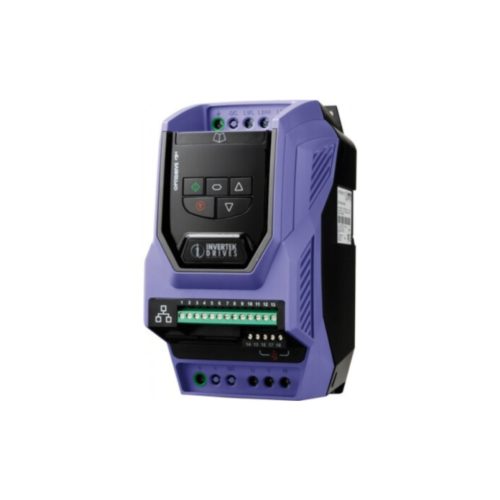
Variable Frequency Drives
VFDs are devices that control the speed and torque of electric motors by adjusting the frequency and voltage supplied to the motor. VFDs are used in various applications, including power transmission, to enhance efficiency and performance.
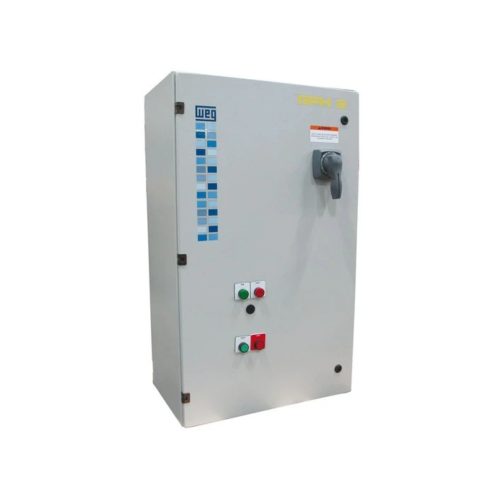
Soft Starts
A soft starter is an electronic device designed to control the speed and acceleration of electric motors by gradually increasing voltage during startup and decreasing it during the shutdown. This reduces mechanical stress, lowers inrush currents, and improves efficiency.
Electric Motors and Controls By Brand



How Electric Motor Controllers Drive Performance Benefits
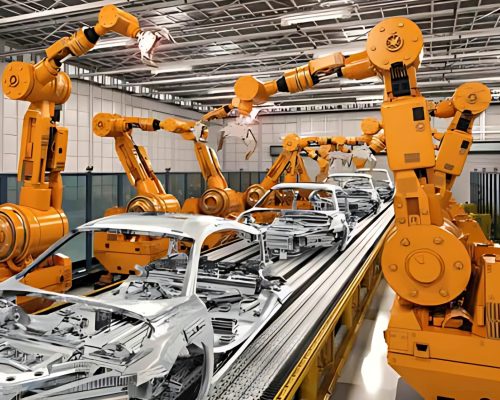
VFDs vary the frequency and voltage that the electric motor receives. So, operators can use motor speed to load needs and operate motors at a highly efficient speed for their application
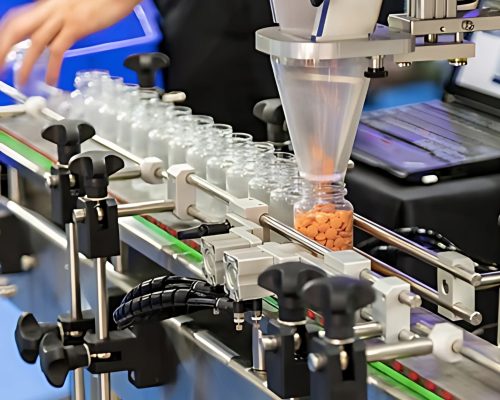
VFD-enabled induction motors have more dynamic capabilities. Such motors can go down to 20 Hz or up to 100 to 600 Hz for applications that require a higher power density.
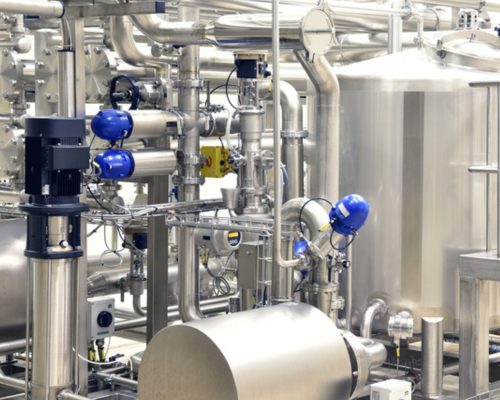
VFD pumps, or adjustable speed drives, can integrate with intelligent technologies and facilitate remote monitoring and predictive maintenance. It reduces expenses on repairs.
Industries Where Electric Motors and Controls Are Crucial
Electric motors and controls are vital in various industrial equipment and operations.
Agriculture
Well-designed and energy-efficient motors withstand harsh outdoor conditions and different power sources. They power pumps in irrigation systems, transport grains, and drive various food processing machines. Many incorporate VFDs and remote monitoring to enable smart farming. Electric motors also fuel robots and driverless tractors in agriculture.
Material Handling
Electric motor controllers like VFDs are extensively used in material handling equipment. These include hoists, cranes, palletising and depalletising systems, and sorting and distribution systems. VFDs make material handling systems energy efficient by controlling the motor speed control and reducing wear and tear.
Mining
Electric motors power drive heavy machinery used in the mining industry. These include drills, excavators, and conveyors. The motors are highly precise and designed to optimize energy consumption while producing high torque. Many AC motors with short-circuit tutors are used to power mining machinery.
Food & Beverage
Food and beverage industry segments like meat, poultry, and baking utilize DC gear motors, single-phase motors, and gearboxes. They are used in mixers, grinders, and conveyors. In addition, VFDs in electric motors and equipment improve process control, enhance the machine’s lifespan, and facilitate energy savings.
Wastewater Treatment
Pumping units and wastewater treatment plants use energy-efficient and reliable electric motors to purify water for billions of people. Many types of electric motors are used with sensors and frequency converters to facilitate precise control. They also provide data like temperature and water pressure.
HVAC
Air handling units in the HVAC systems have a blower that is driven by an electric motor. Electric blower motors need electric motors with a low starting torque, while compressors need motors with a high torque. Motors power blowers in the HVAC machinery to drive compressors and circulate refrigerant and heat.
Grain Elevator
Grain processing, purification, and packaging demand various power transmission products, chief among which are electric motors. They are used to receive and store grains, cleaning, tempering, and blending. Processes like rolling, sifting, and grinding also require electric motors along with tools like chains and sprockets, slide gates, and actuators.
Automation
Electric motors power many automation systems. AC motors are used for applications requiring adjustable speed, while brushed DC motors power machines with high torques. Servo motors work in systems with a feedback device, such as an encoder. VFDs work in tandem with AC motors and help control their speed precisely.
Manufacturing
Industrial applications of electric motors abound in the manufacturing domain. Virtually every piece of equipment for manufacturing processes, like conveyors, compressors, mixers, and grinders, uses electric motors. The motors feature precision control, are adaptable, and have high torque at low speeds.
Exim Engineering Inc. - Authorized Distributor of Electric Motors and Controls