
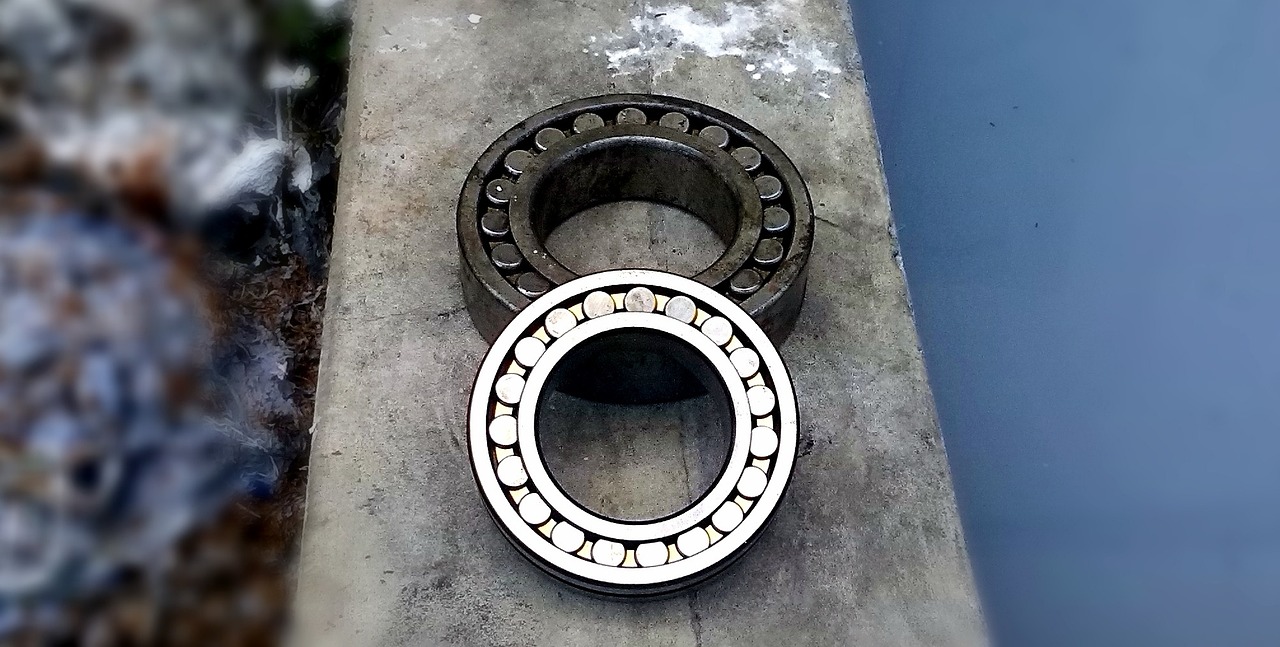

The Crucial Role of Bearings in Different Industrial Operations

Bearings by Category
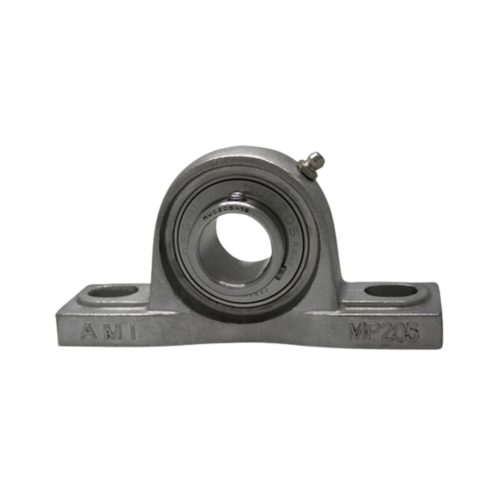
Mounted Units
Mounted bearings units are encased in a housing that can be bolted onto a machine. They support spinning shafts and handle radial and axial loads, simplifying installation and enhancing performance.
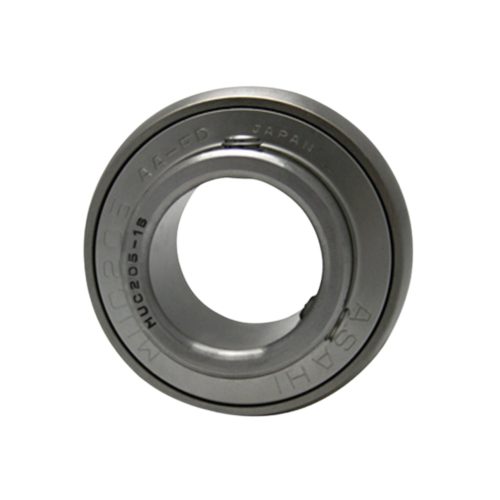
Cam Followers
A cam follower is a special roller or needle bearing that tracks cam lobe profiles. It is mounted using either a stud or a yoke-style hole, enabling it to accommodate the cam’s back-and-forth or swinging motion.

Ball Bearings
A ball bearing, also known as a rolling-element bearing, utilizes balls to keep the bearing races separated. A cage in these bearings ensures uniform load distribution and minimizes rotational friction.
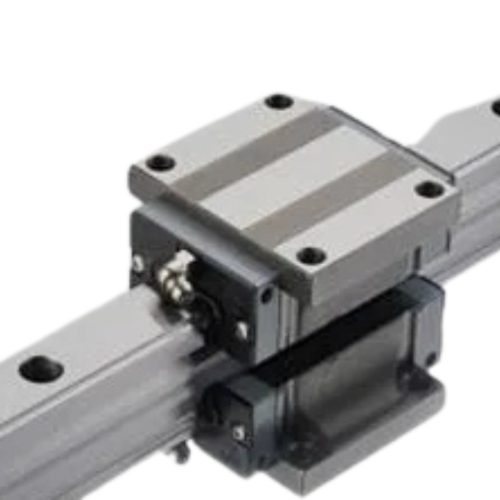
Linear
Linear bearings are specialized mechanical components that facilitate unidirectional motion along a straight path, reducing friction in motion systems where the movement occurs linearly. They differ from radial bearings.
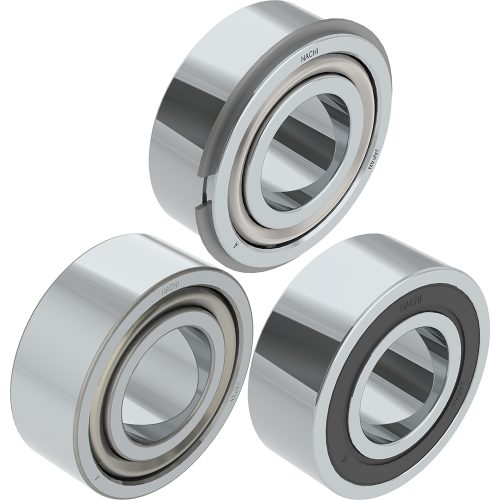
Double Row
Double Row Angular Contact Ball Bearings can handle the radial, moment, and bidirectional axial loads. They are constructed like two single-row angular ball bearings mounted back to back.
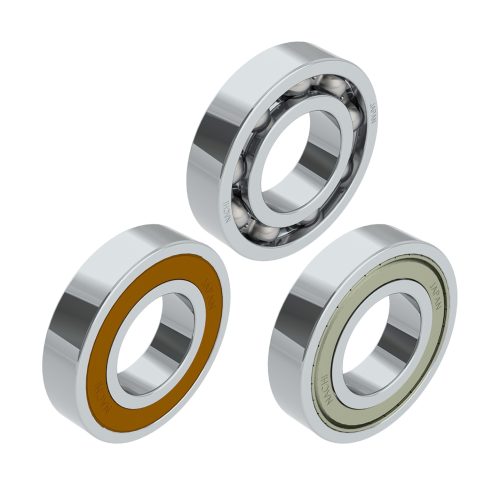
Deep Groove
Deep Groove ball bearings are known for their seal, shield, and snap-ring configurations and can withstand radial, axial, or composite loads while allowing for high-running precision.
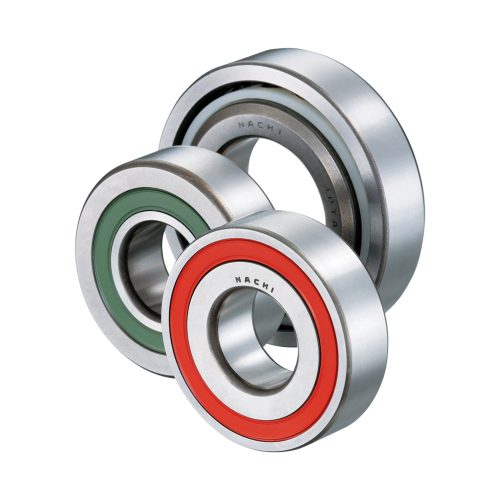
Ball Screw
These bearings are ball screw support bearings with high axial rigidity and sealed design. They do not require maintenance and come pre-equipped with high-performance lubrication grease.
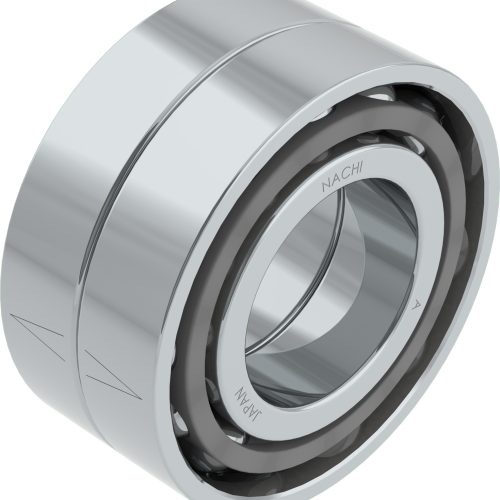
Combination Angular
Single-Row Angular Contact Ball bearings are typically used in combinations of two or more bearings. These combinations can be in a DB (back-to-back), DF (face-to- face), or DT (tandem).
Bearings By Brand



Industrial Applications of Bearings
In these industries, bearing quality and reliability directly impact operational efficiency, safety, and overall performance. Choosing the suitable bearings is essential for maintaining machinery’s smooth operation and avoiding costly downtime.

Widely used in electric motors, gearboxes, and automotive applications due to their versatility and ability to operate at high speeds.
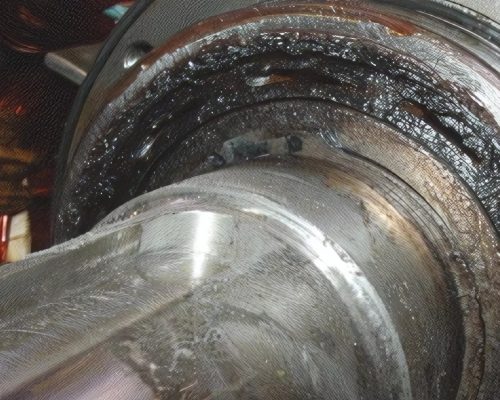
Commonly used in electric motors, alternators, starters, compressors, blowers, and transmissions.

High-precision high-speed machines, precision measurement devices, and precision feed actuators, such as robotics.
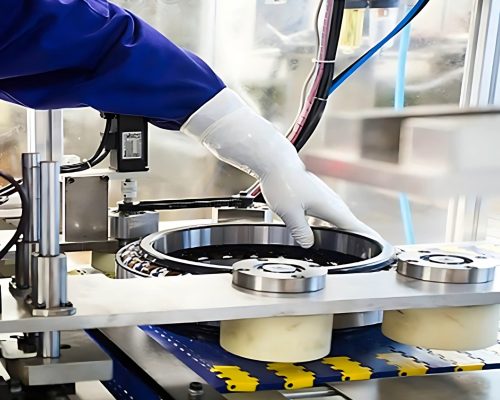
Blowers, high-speed vacuum pumps, superchargers, and motorcycle transmissions.
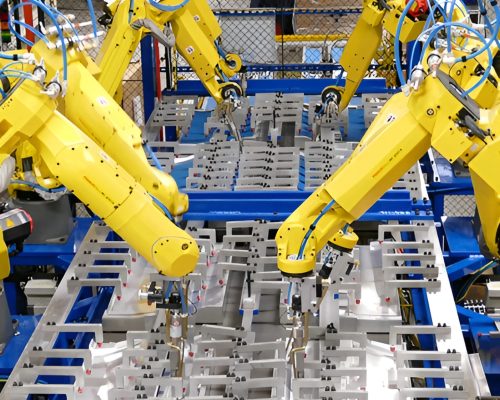
Automotive Manufacturing (In Assembly Lines, Automated Welding Equipment), Power Generation, Wastewater Treatment, Recreation, Metal processing.

Mounted units are used in the agriculture industry for conveyors, harvesters, and tillers, the Food and Beverage industry, Material handling (conveyors),Mining and Quarrying , and HVAC Systems.

CNC machines, 3D printers, Medical devices, and Automation systems.Linear bearings are crucial for CNC machines, enabling smooth movement on a single axis.

Machine tool spindles utilize high-speed bearings to facilitate high-speed rotation while maintaining high accuracy. These spindle bearings can consist of roller bearings, tapered roller bearings, or angular contact ball bearings.
Industrial Applications of Bearings
Bearings are essential components in various industries, ensuring the smooth, efficient, and safe operation of machinery and equipment. Here are some of the key sectors that rely heavily on industrial bearings:
Cement and Aggregate
Bearings are crucial for cement and aggregate production, ensuring the reliable operation of heavy-duty equipment like crushers and conveyors under harsh conditions, with mounted and unmounted units used.
Types of bearings used: Ball bearings, mounted units and pillow blocks, tapered roller bearings
Food & Beverage
The food and beverage industry relies on bearings designed to withstand corrosion and contamination, which ensure the smooth operation of equipment such as mixers, blenders, and packaging machines.
Types of bearings used: Mounted bearings, unmounted bearings, corrosion-resistant bearings, and stainless steel bearings.
Agriculture
Bearings are crucial in agricultural machinery like tractors, combine harvesters, and ploughs, supporting heavy loads and repetitive motions, and enhancing reliability, efficiency, and productivity.
Types of bearings used: Deep groove ball bearings, tapered roller bearings, sealed spherical roller bearings, and flanged ball bearing units.
Meat & Poultry
Robust industrial bearings that withstand the safety constraints of the meat and poultry industry are crucial. Bearings that can withstand rigorous cleaning procedures are integral to the life and performance of the equipment used in this industry.
Types of bearings used: Washdown bearings, stainless steel bearings, mounted bearings, hybrid ball bearings
Material Handling
Material handling systems, such as conveyors, forklifts, and automated warehouses, heavily rely on bearings that must be durable and capable of continuous operation in harsh conditions.
Types of bearings used: Ball bearings, mast guide bearings, leaf chain, spherical bushings, taper roller bearings
Wastewater Treatment Plants
Wastewater treatment facilities rely on industrial bearings that can withstand harsh conditions like water, chemicals, and loads, which are essential for operating pumps and agitators.
Types of bearings used: Ceramic bearings, insulated bearings, split cylindrical roller bearings, mounted units
Construction and Mining
Heavy-duty bearings are crucial for construction and mining machinery, such as excavators, cranes, and drilling rigs, as they are built to endure severe conditions and heavy loads.
Types of bearings used: Taper roller bearings, needle bearings, cylindrical roller bearings, spherical roller bearings, ball bearings.
Energy Sector
Bearings are crucial for uninterrupted power generation. They ensure the smooth operation of turbines and generators in wind, hydroelectric, and traditional power plants, as well as compressors, motors, drives, and pumps.
Types of bearings used: Ball and roller bearings, pillow block bearings, blade bearings, yaw bearings, radial bearings
Aerospace Industry
The aerospace industry requires high-quality industrial bearings that can endure extreme conditions, such as high speeds and temperatures. They are crucial for the smooth and efficient operation of aircraft engines and landing gear.
Types of bearings used: Airframe control bearings, spherical bearings, rod end bearings, instrument bearings, thrust bearings, and self-lubricating bearings
Electric Motor Repair
Bearings make electric motors more productive by minimizing power loss, friction, and noise, as well as attaining the ideal design speed range. Different types of industrial bearings ensure the longevity and reliability of electric motors.
Types of bearings used: Deep groove ball bearings, cylindrical roller bearings, ceramic hybrid bearings
Plastic Processing and Forming
The correct bearings convert raw materials into completed products in plastic processing. They can also withstand huge loads and dynamic peak loads, as well as high heat and rigidity.
Types of bearings used: Mounted units, roller bearings, thrust ball bearings, and cam followers.
Exim Engineering: Your One-Stop Shop for All Industrial Bearing Needs
We at Exim Engineering understand how crucial industrial bearings are for your operations. That’s why we provide a wide range of top-notch bearings to cater to the diverse needs of different industries. Whether it’s automotive, manufacturing, aerospace, or other sectors, we have the knowledge and products to ensure your machinery runs smoothly and efficiently.
Our extensive inventory includes bearings from top manufacturers worldwide, such as AMI Bearings, Consolidated and Nachi Bearings, which give you access to the most reliable and durable products. We provide a comprehensive selection of ball, linear, and mounted unit bearings, all engineered to meet high-quality and performance standards.
When you choose Exim Engineering, you’re not just buying bearings—you’re investing in the reliability and efficiency of your operations. Our consistent dedication to excellence, support, and fulfilling customer needs positions us as the primary solution for all your bearing requirements.
Exim Engineering is a leading distributor of AMI and Nachi Bearings, providing high-quality products for a wide range of industries. Our strong reputation is built on expertise and, most importantly, customer satisfaction. We help our customers select the right bearings for their specific needs, offering extensive knowledge and dedication to their success.
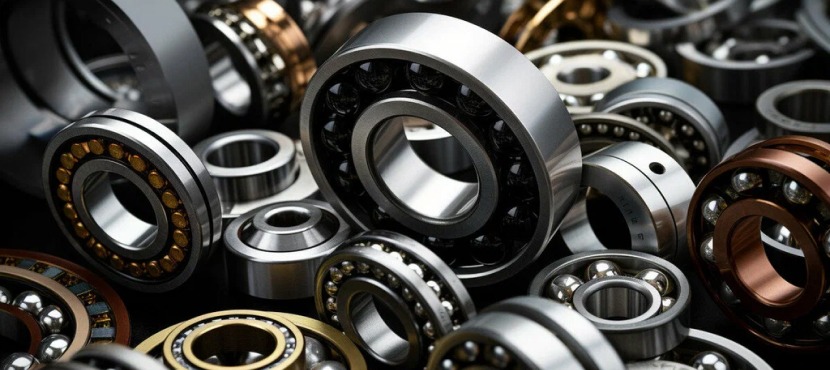
Common Bearings & Their Use Cases
You can find bearings in many shapes and sizes. Each type has a particular function and supports a particular type of load. The most common industrial bearings are given below:
-
1
Ball Bearings:
These bearings reduce friction between moving parts, enabling smooth rotary motion and supporting both radial and axial loads effectively in various machinery applications.
-
2
Roller Bearings:
Designed to handle higher load capacities than ball bearings, roller bearings use cylindrical rollers to distribute weight over a larger surface area. This results in improved load capacity and stability.
-
3
Spherical Plain Bearings:
These allow for angular rotation in all directions between two parts while keeping a low friction interface. Thus, they are suitable for applications requiring misalignment compensation.
-
4
Mounted Bearings:
Typically housed units that support rotating shafts, mounted bearings simplify installation and alignment. They are mounted directly onto the machine frame to protect against contaminants in harsh environments.
-
5
Plain Bearings:
Plain bearings or bushings provide a sliding surface for motion without rolling elements. They are for low-speed uses where simplicity and cost-effectiveness are your priorities.
-
6
Cam Roller Bearings:
They accommodate cam profiles in applications like conveyor systems. These bearings cause low friction and result in high load capacity.
-
7
Cam Rollers:
Often used in conjunction with cam roller bearings, these components enable precise movement in machinery by following the contour of a cam, ensuring efficient operation in automated systems.