

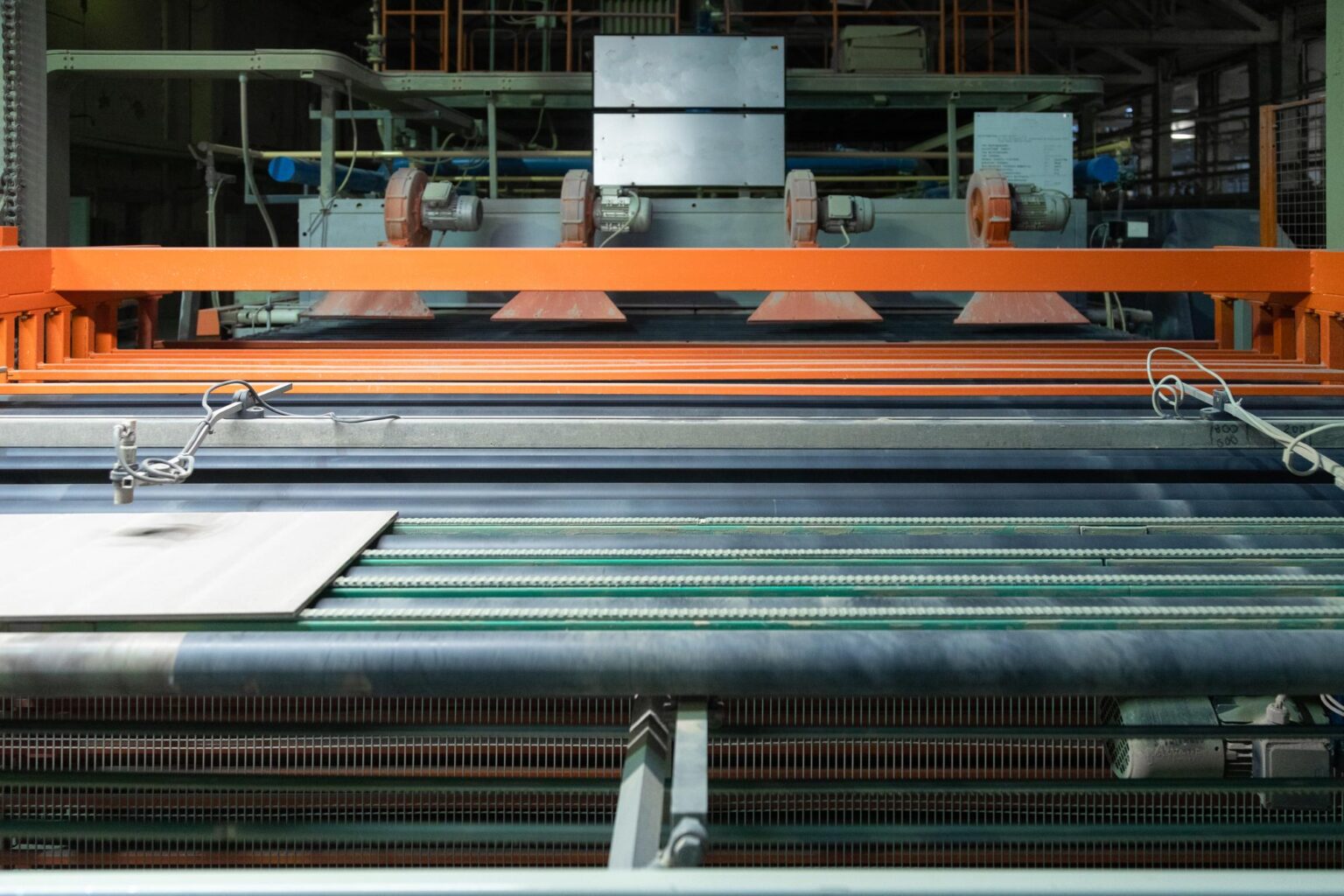
Role of Conveyor Belting & Components in Industrial Operations
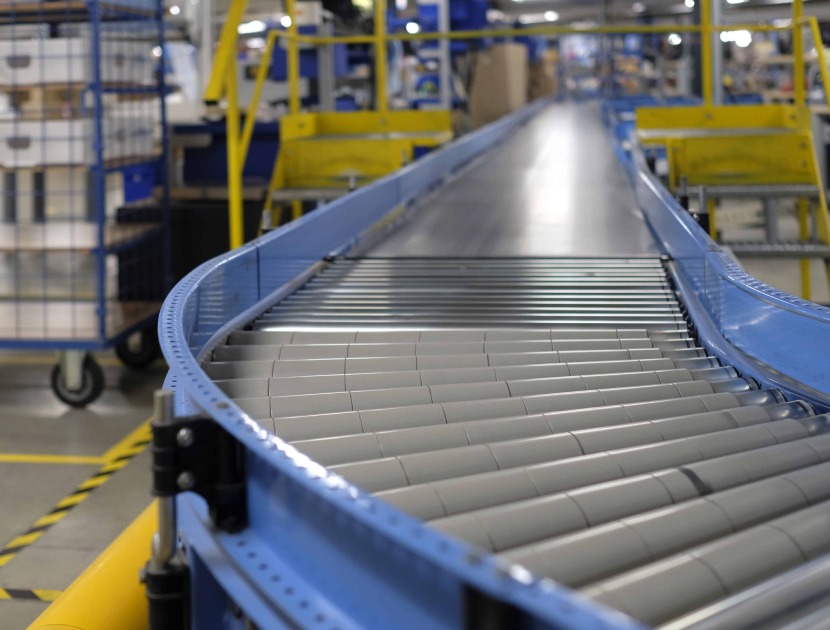
Conveyor Belting & Components by Category
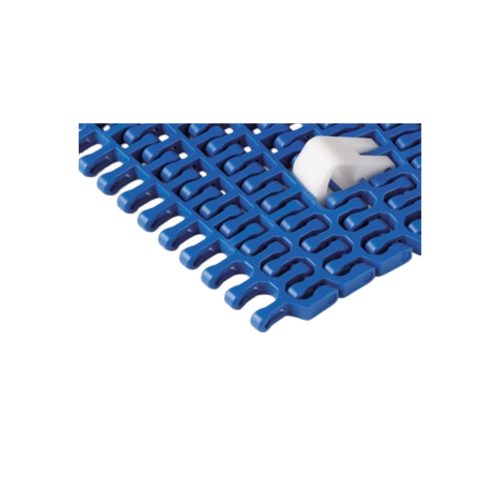
Modular
Modular conveyor belts consist of individual interlocking modules, often made of plastic or metal, that may be replaced if they become broken or worn.

Articulated feet
Articulated feet typically consist of two parts: a base plate and a ball joint. The base plate is attached to the bottom of the conveyor frame and provides a stable foundation for the joint.
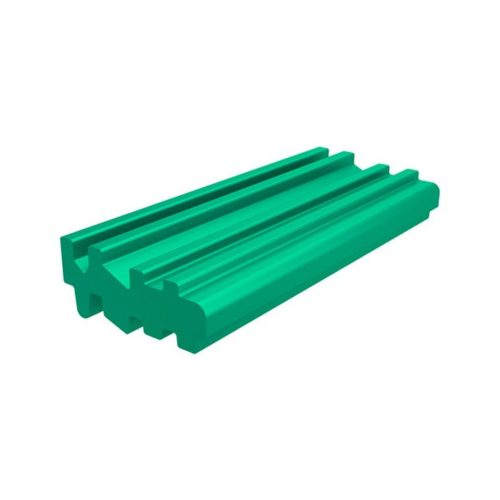
Chain Tracks
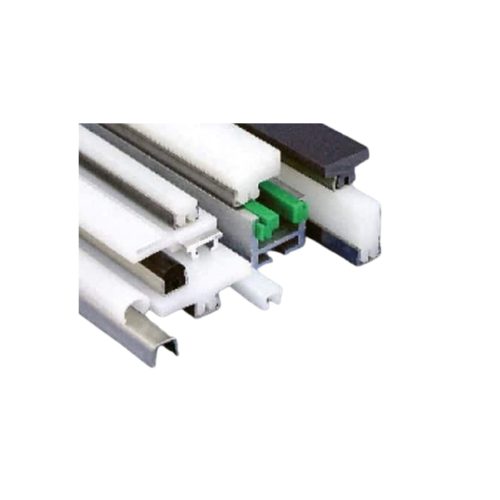
Plastic chain tracks and guides come in various formulations based on your requirements. The most common material used is UHMW, but other optionsare available upon request.

Handles and Knobs
Handles and knobs are essential components in conveyor systems, used to provide a means of manually adjusting or manipulating the conveyor system.
Guide Rails
Guide rails are critical components of conveyor systems. They are designed to keep products or materials in place as they move along the conveyor belt.

Wear Strips
Wear strips are designed to be placed on the bottom of the conveyor frame or on the sides of the conveyor belt to provide a smooth and low-friction surface.
Conveyor Belting & Components By Brand





Industrial Conveyor Belting & Components Applications
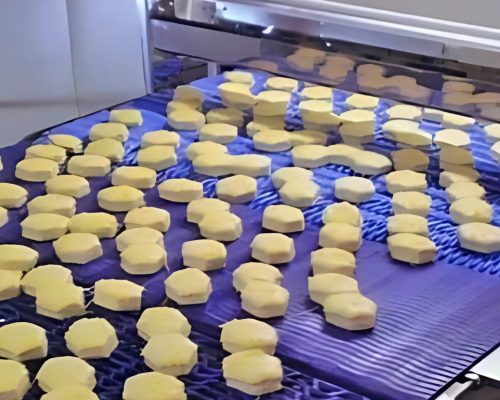
Modular conveyor belts are commonly used in the food processing, packaging, and automotive industries because they are flexible and easy to maintain.

Roller conveyors are widely used in the food, packaging, and pharmaceutical industries. They move items from receiving areas to storage and simplify order picking and packing procedures.

PowerTwist drive V-belts are suitable for industrial machinery where vibration and misalignment are common. These belts do not stretch or become misshapen.
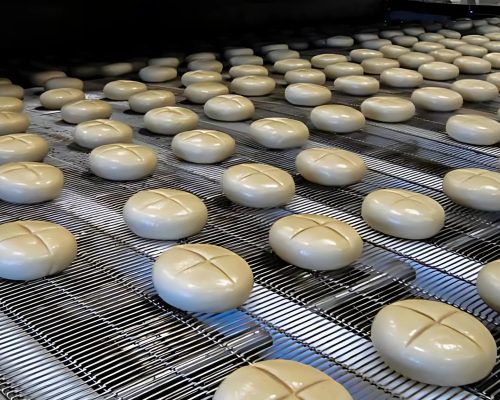
Synthetic conveyor belts are commonly used in food processing, packaging, and textiles. They meet the requirements for light to heavy processing and conveying uses.

Flat-Flex® belt wire belts are ideal for food processing, particularly in baking, frying, and cooling applications. They have an open-top design to help convey products hygienically.
Industrial Applications of Conveyor Belting & Components
Food and Beverage Industry
These are crucial in the food and beverage industry for safely and hygienically transporting raw ingredients. They are used in processing plants for various stages, such as washing, cutting, cooking, and packaging. Conveyor belts are utilized in bakeries and bottling plants to move materials during production.
Types of conveyor belts used: Chain conveyor, heavy-duty pallet conveyor, screw conveyor, spiral conveyor
Meat & Poultry
Conveyor belts are essential in the meat and poultry industries, ensuring efficient and hygienic operations. Heavy-duty belts are used in high-load areas to provide stable processes, whilst lightweight belts help to maintain high hygiene standards and prevent contamination risks.
Types of conveyor belts used: Fabric-based, multilayer belt, timing belt, plastic chains
Mining and quarrying
Conveyor belts are essential in mining and quarrying to transport raw materials over long distances and crush and concentrate them. They are durable, handle abrasive materials, and contribute to environmental sustainability by reducing truck transportation.
Types of conveyor belts used: Straight-warp, Multi-ply, steel-cord, solid woven belts
Logistics and Warehousing
Conveyor belts are crucial in the logistics and warehousing sectors to efficiently move goods within distribution centers and warehouses. They are used for sorting, routing, packaging, loading and unloading trucks, and handling high volumes of orders in e-commerce fulfillment centers.
Types of conveyor belts used: Roller conveyors, belt conveyors, pallet conveyor belts, modular plastic conveyors, flexible conveyors
Cement and Aggregate Industry
Conveyor belts efficiently transport raw materials from extraction sites to processing plants and ensure a continuous and consistent flow of materials to maintain high production rates. They can be set up on the ground or on a high point with a tilt varying between 0 to 18 degrees in angle.
Types of conveyor belts used: TD belt conveyors and DTII belt conveyors
Agriculture Industry
Conveyor belts sort, grade, and transport produce such as grains, fruits, and vegetables. Agricultural conveyor belts make the transfer of produce quicker so that fresh products can reach consumers on time and in the best condition. Besides, the belts enhance food safety by minimizing the need for manual handling. In turn, it reduces the issue of contamination.
Types of conveyor belts used: Rubber conveyor belts, cleated belt conveyors, roller bed conveyor belts, fabric conveyor belts
Manufacturing and assembly
In manufacturing, conveyor belts move products along assembly lines, ensuring the precise and consistent movement of components such as circuit boards. They provide versatile material transportation across various forms of materials, such as heavy or oddly shaped objects. Conveyor belts and systems are ideal for assembly lines, warehouses, and distribution centers for the efficient and timely transfer of goods.
Types of conveyor belts used:Flat belt conveyors, modular belt conveyors, woven metal belts, chain conveyors, overhead conveyor
Exim Engineering: Your One-Stop Solution for All Conveyor Belts Needs
