
Role of High-Temperature Furnace Components in Industrial Operations

High Temp. Furnace by Category
Carbon components
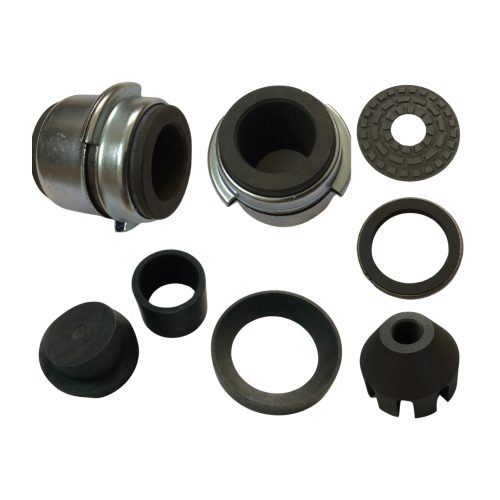
Carbon and graphite products have various industrial uses because of their properties. These items like rods, tubes, and plates and machined graphite items, such as sintering trays, furnace linings, and EDM electrodes, can be changed in size, shape, and composition for specific needs.
Furnace components
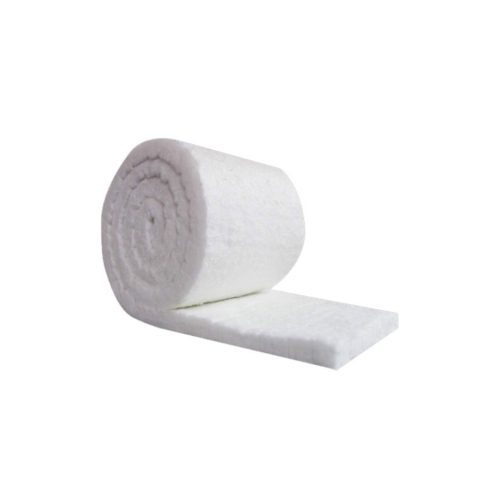
Ceramic fiber blankets, paper, and boards offer high-temperature insulation with lightweight refractory fibers. It is ideal for versatile industrial use. Castables, dense fire bricks, and other components ensure furnace efficiency and longevity. It makes them crucial for high-heat applications
Bearings By Brand
Uses of High-Temperature Furnace Components

Top-quality industrial furnace components like graphite extrusions, rods, seals, and bushes are used in different parts of furnaces for brazing, graphitizing, and sintering. They contribute to high throughput and low energy consumption.
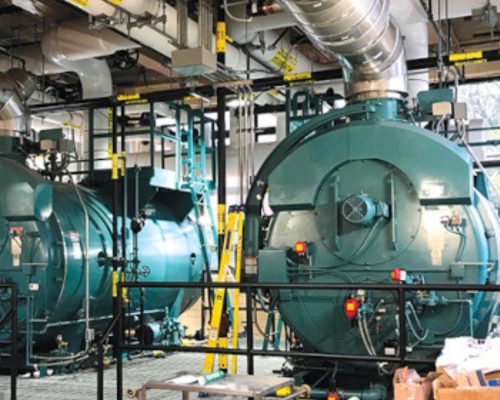
Furnace refractory bricks with superior strength and ability to withstand high temperatures form the furnace chamber’s linings. They are resistant to thermal shock, erosion, and corrosion.

High-density castables are designed to work in high-heat environments as hot as 1,800°C. They form furnace lining, boiler work, burner blocks, and muffle furnaces. Lightweight castables provide superior thermal insulation in high-heat environments.
Ceramic blankets are durable and flexible refractory insulation materials that are tolerant to intense heat. They make up the furnace and boiler linings, insulation for high-temperature furnaces, and pipe insulation.
Industrial Applications of Different High-temperature Furnaces
Aluminum Industry
The aluminum industry relies significantly on high-temperature furnaces for activities such as smelting and recycling. Carbon and graphite products are in these furnaces because of their excellent thermal conductivity and resilience to thermal shock. These materials contribute to achieving the high temperatures needed for aluminum production.
Metallurgical Industry
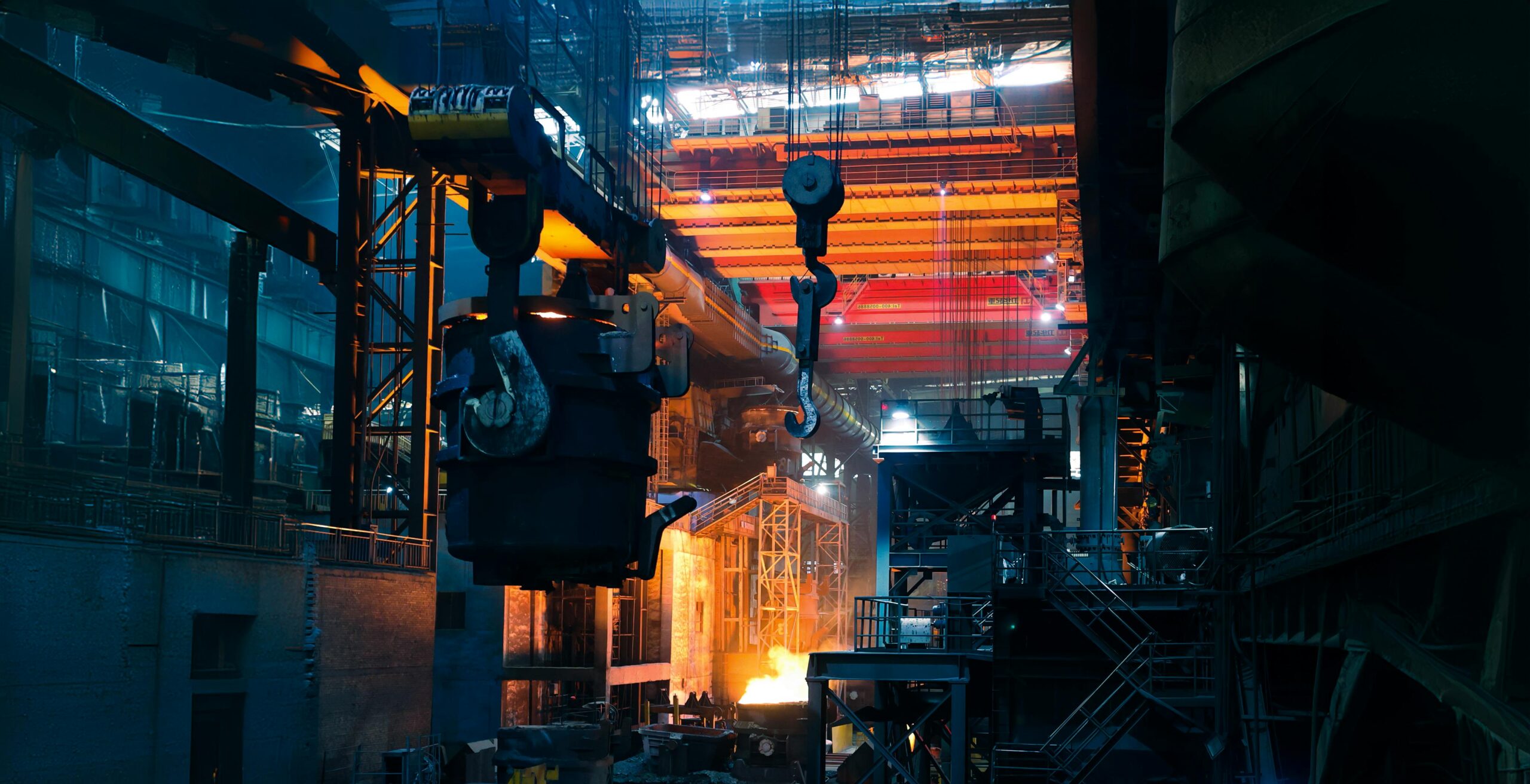
High-temperature furnaces allow for smelting and refining metals. Carbon and graphite components are critical to their capacity to tolerate high temperatures and corrosive conditions. These materials assist in the production of iron, steel, and other metals and ensure that the finished product is high in quality.
Steel Industry
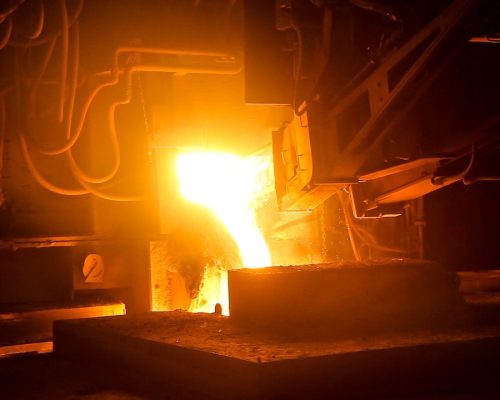
The steel industry uses furnaces for melting, tempering, and heat treatment. In turn, it leads to the extraction of gold, lead, and iron metals. Graphite electrodes, used in electric arc furnaces, have a strong electrical conductivity and temperature stability and so, are crucial in making high-quality steel with exact characteristics.
Non-Ferrous Metal Industry
Tower furnaces, rockers, rotaries and similar industrial furnaces smelt and refine non-ferrous metals such as copper, zinc, and lead. These furnaces use carbon to produce heat insulation and graphite products to produce electrical conductivity. Carbon and graphite make way for efficient and cost-effective non-ferrous metal production.
Mechanical Engineering Industry
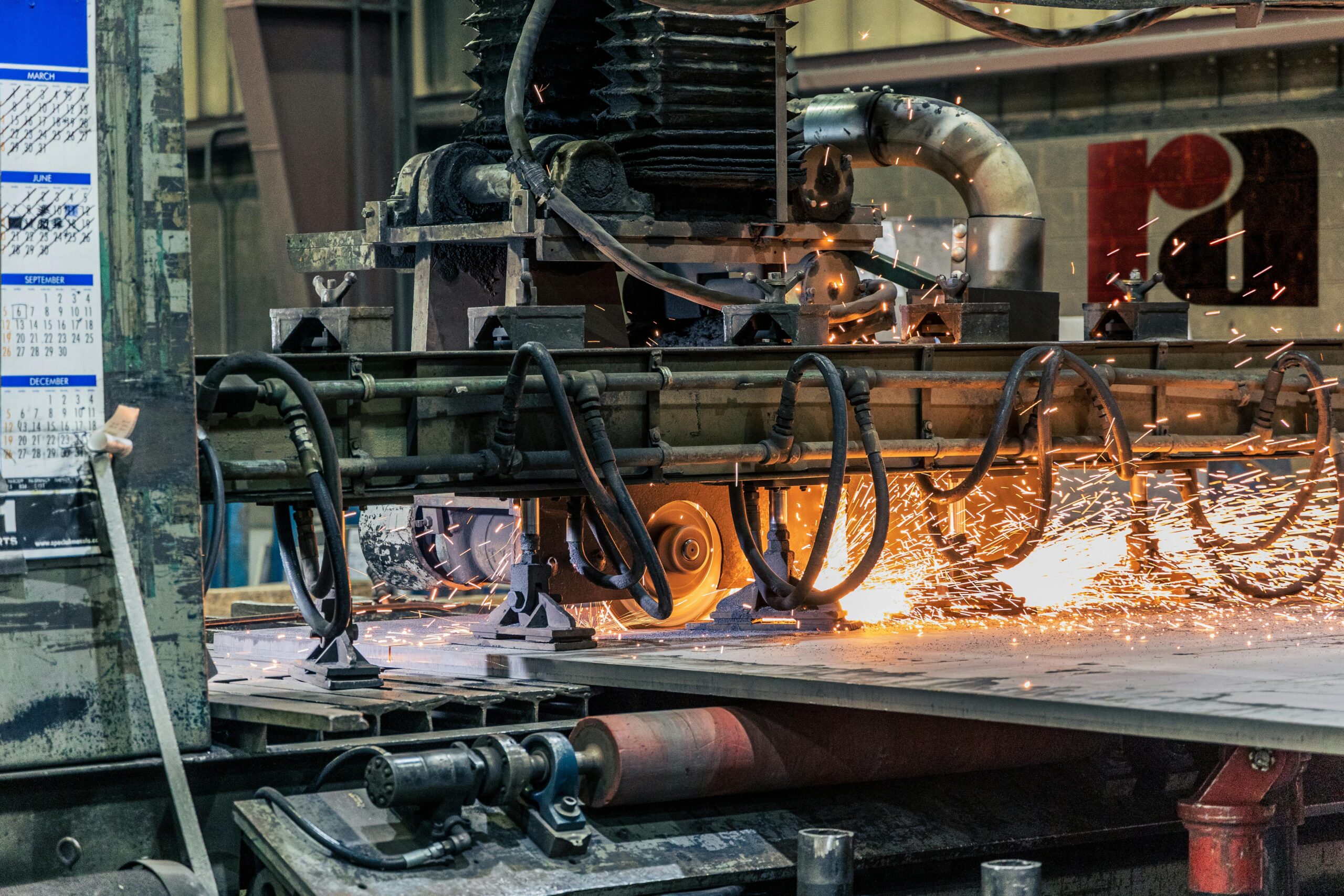
Mechanical engineering uses high-temperature furnaces for thermal treatment. Operations like annealing, hardening, and tempering cannot happen without industrial furnaces and their components. Carbon and graphite components are critical for their structural stability at high temperatures. These materials provide homogeneous heating and cooling, improving the treated parts’ mechanical qualities.
Chemical Industry
The chemical industry uses high-temperature furnaces for pyrolysis, calcination, and chemical vapor deposition. Through thermal treatment, furnaces process raw materials or finished products at extreme heat. The different furnaces used in the chemical industry can operate at high temperatures, ranging from 500°C to 1926°C.
Glass Industry
High-temperature technology is critical in the glass industry, notably for melting raw materials and manufacturing various glass products. Annealing ovens and glass furnaces are specialized furnaces that change raw materials into liquid. They heat silica, limestone, sand, and soda ash and assist in the process of making lab equipment, glass panes, lenses, and the like.
Battery Manufacturing
High-temperature industrial furnaces make operations like heat drying, lead melting, and label applications possible for battery manufacturing. Furnaces also enable the recycling of used batteries through pyrometallurgical processes. In these processes, industrial furnaces recover lithium, cobalt, nickel, and manganese from used battery cells. Different types of lab furnaces create thermal environments that help produce high-quality materials crucial for energy storage uses.
Medical Industry
The pharma and medical sector uses various kinds of high-temperature furnaces in production and testing processes. Muffle furnaces help sterilize and calcine medical compounds, while tube furnaces with high operating temperatures are used to create oral or maxillofacial implants, spinal implants, or orthopedic implants.
Exim Engineering: Your Trusted Supplier for High-Temperature Furnace Components
