


Parts of a Lubrication System
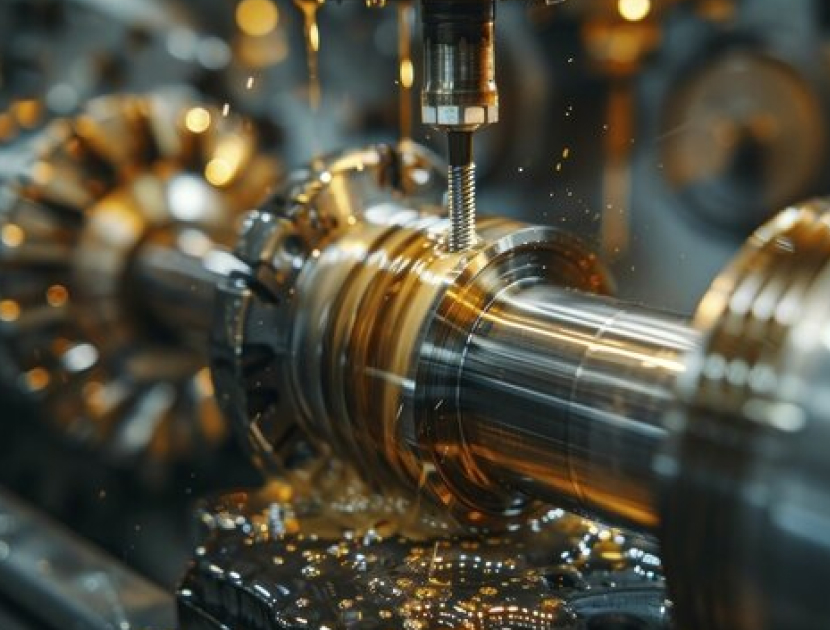
Lubrication by Category

Lubricants
Lubricants are essential for reducing friction, wear, and overheating in mechanical systems like electric motors, industrial machinery, and automobile engines. They come in various forms, like oils, greases, and solid lubricants for specific applications.

Lubricating Equipment
Lubrication equipment applies lubricants to machinery to reduce friction and wear and keep running smoothly. Common types of lubrication equipment are lubrication pumps, grease guns, oil dispensing systems, lubrication fittings, hose reels, and lubrication accessories.
Lubrication By Brand


Types of Lubrication Systems

Single-line resistance lubrication systems use a pump to deliver lubricant to light and medium-duty machinery. They dispense oil either through a pump or in an automated cyclical manner. They are ideal for automotive applications or manufacturing equipment.
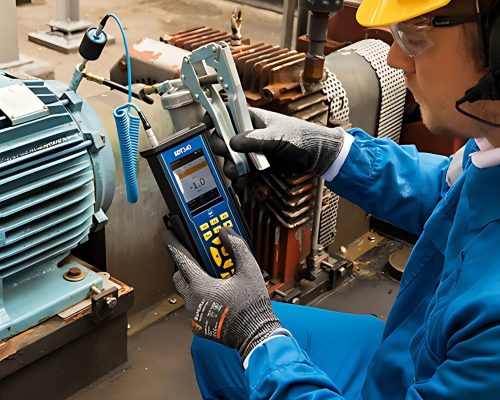
Single-point lubrication systems are either loaded with spring or charged with gas. They have varying reservoir capacity, various pressure and temperature limits, and discharge rates. Power plants, mining, and steel industries use these systems.
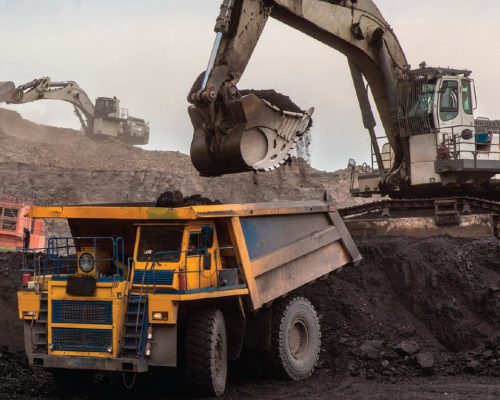
Dual-line lubrication systems dispense lubricant through primary and secondary lines. Each line has metering valves. They are ideal for mining, heavy industry, steel, and metalworking with ongoing lubrication needs.
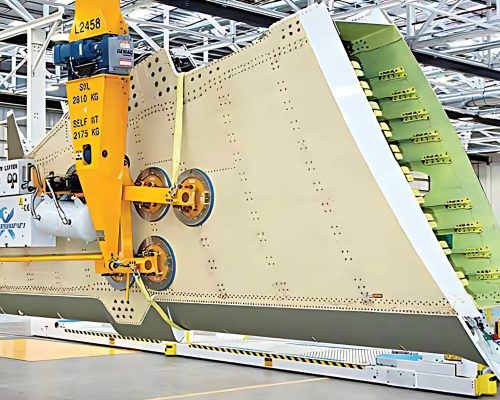
Medium to light machinery that requires accurate lubricant delivery benefits from positive displacement injector lubrication systems. The injectors in these systems activate and deactivate alternatively. The systems have a central pump that creates pressure to release lubricant.
Industrial Applications of Lubrication Systems
Lubrication systems are important in various sectors, each with its own requirements and challenges.
Cement and Aggregate
Lubrication devices and controls reduce friction and wear on the moving elements of machines like crushers, mills, kilns, and conveyors. The harsh and dusty atmosphere necessitates frequent lubrication. It facilitates continuous operation and product quality.
Food & Beverage Industry
Specialized food-grade lubricating systems minimize friction, wear, and downtime in the food industry machines. They allow the machine to run smoothly without contaminating products. These systems adhere to stringent cleanliness standards. Regular lubrication of bushings and bearings prevents contamination by 36%.
Mining
High-temperature lubrication products are vital for heavy-duty and heavily loaded mining equipment such as drills, crushers, and conveyors. These machines operate in severe, abrasive conditions and require adequate replenishment, which is only possible through strong lubricating solutions.
Manufacturing Industry
Manufacturing equipment like gears, bearings, chains, spindles, and cables need a friction-reducing film to work optimally. Lubrication systems and products are critical to keep these components in manufacturing applications running efficiently. Doing so ensures continuous output, which enhances productivity and lowers maintenance costs.
Automotive Industry
In the automotive industry, some major lubrication systems are petrol-oil premix, auto-lube, and splash. Such systems clean the automobile engines, remove heat, and absorb contaminants. The right lubrication systems ensure that automotive parts run smoothly and do not lose energy from friction.
Wastewater Treatment
Grit washers, blowers, and clarifiers for treating wastewater all need lubrication to run efficiently. Greases that are water resistant and prevent rust can tolerate water without losing their properties. It also simplifies the maintenance of wastewater treatment plants for the long term.
HVAC
Lubricants protect the metal surfaces of HVAC components against corrosion and friction. Splash and pumped lubrication techniques using mineral oils or synthetic lubricants are used in the compressors of HVAC systems. It prolongs the life of the system and reduces maintenance needs.
Exim Engineering: Authorized Distributor of Lubrication Equipment
